You don’t need to be a Dickens scholar to understand that for many teachers it is both the best of times and the worst of times.
Let’s start with the good stuff. Digital innovation is inspiring imagination. Educators from all over the world are learning how to responsibly blend technology into their teaching, while sharing resource suggestions and best practices with colleagues and their growing professional learning networks.
The freedom to choose an assortment of apps, videos and open educational resources that can augment – if not replace – traditional curriculum for any given unit or lesson plan is empowering. Learning how other teachers put these tools into their own practice via Twitter Chats, EdCamps and other collaborative environments is exhilarating.
Our digital lives may be making us more distracted, distant and drained, according to research presented at the annual convention of the American Psychological Association. For instance, even minor phone use during a meal with friends was enough to make the diners feel distracted and reduced their enjoyment of the experience, one study found. Source: Dealing…
His parents were tolerant of their making noise and rearranging the furniture. One summer he even dug up the backyard for a minigolf course. The design process was a matter of trial and error: Could he use soda cans to make the holes? What path would the ball take as it hit various obstacles? Behind…
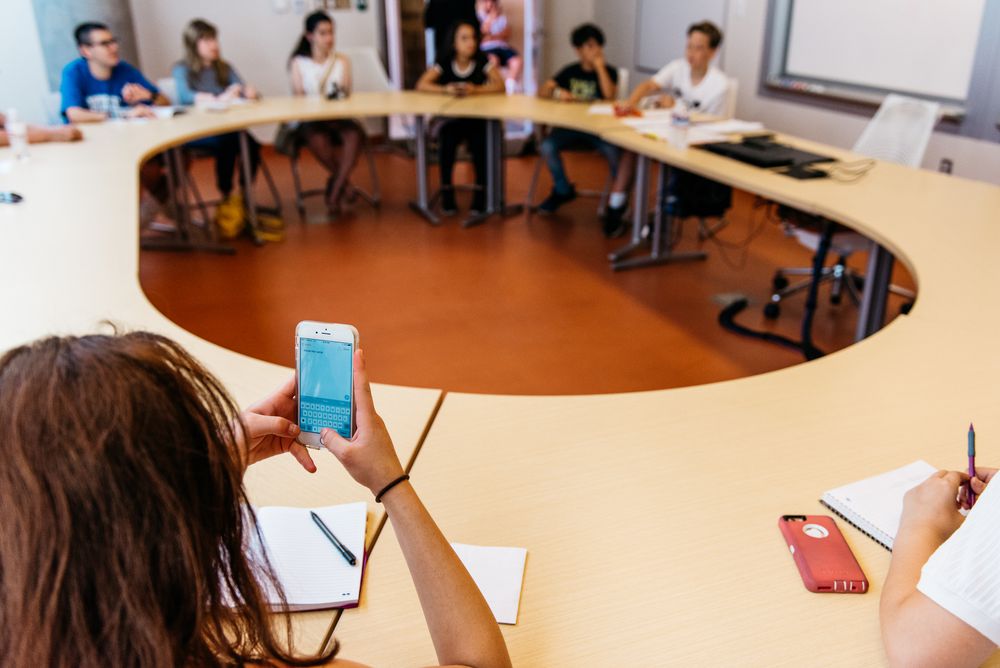
This is the inaugural year for SocialStar Creator Camp, an offshoot of an actor camp that takes place every summer near LA. It’s three days of intensive influencer workshops focusing on monetization, branding, and the basics of shooting and editing video, all aimed at kids in their early teens to mid-20s. At first, the idea…
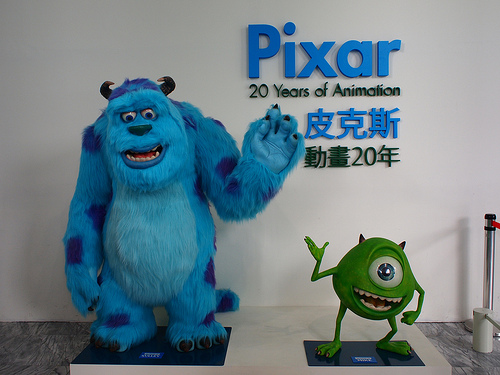
There are few organizations in the world that can claim more expertise when it comes to storytelling than Pixar. The Disney-owned animation studio is known for its ability to consistently create… Source: Pixar offers free online lessons in storytelling via Khan Academy | TechCrunch Pixar has released lessons on the technical sides of movie making…
A business school in Paris will soon begin using artificial intelligence and facial analysis to determine whether students are paying attention in class. The software, called Nestor, will be used two online classes at the ESG business school beginning in September. LCA Learning, the company that created Nestor, presented the technology at an event at the United…
School Library Budgets Rise 20%, Yet Challenges Remain | Spending Survey 2016 | School Library Journal Yet funding levels remain far below 2010–11, when school library budgets averaged $10,348 and the median, $7,000. Furthermore, the nearly 800 school librarians who responded to SLJ’s survey in January 2016 say they believe their budgets will fall an…