In July 2016, I’ve moved to the district office level and no longer work at a school as a principal. To make matters more complicated I work in a completely new district – most adults didn’t know who I was, and certainly none of the students knew me. I’ve always believed that relationships come first, before solid relationships the work with curriculum, classroom design, thoughtful integration of technology and anything else really can’t happen with fidelity.
Our students are our business…our bottom line…our revenue stream – they’re the reason we work in education and just because we work in the central office doesn’t mean we shouldn’t know any of them, or any of them know us. We should break the myth that the central office is the ivory tower.
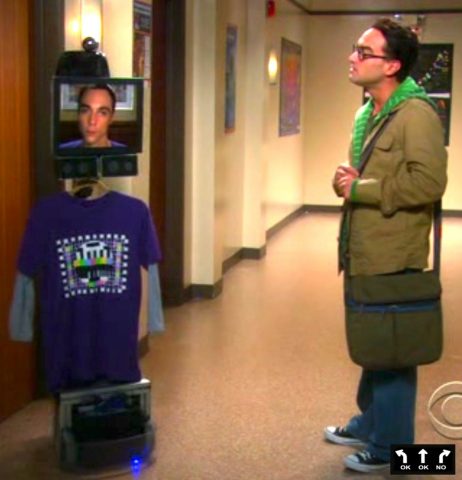
I’m very guilty of this, and need to do a better job of getting out of the office and into the schools and classrooms. That is, until I get the robotics club to build me a virtual presence device like Sheldon’s:
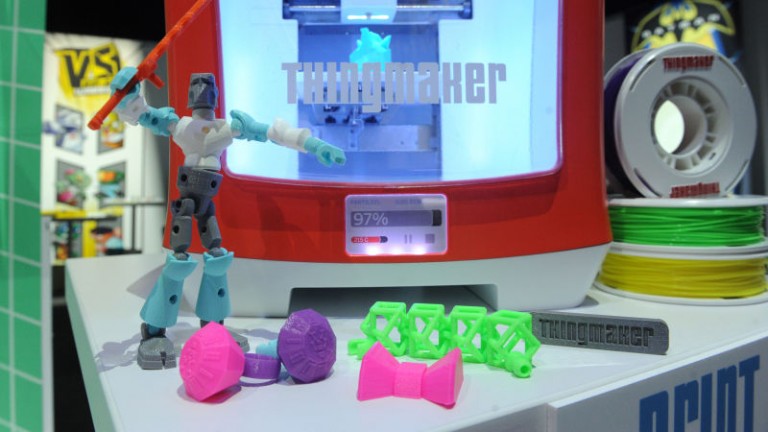
Mattel Is Making a $300 3D Printing Toy Studio For Kids The ThingMaker 3D is an aggressively priced ($300) 3D printer that pairs with an app to allow kids to create a wide range of toys than span both jewelry and figurines. The companion app that operates the printer is actually a very sophisticated 3D…
I have a hard time remembering all of those classes I took and especially what in the world I learned in them. Part of it is probably because of the volume of it all. Just from sixth to 12th grades, seven classes a day x 180 days x seven years = 8,820 class periods. Part…
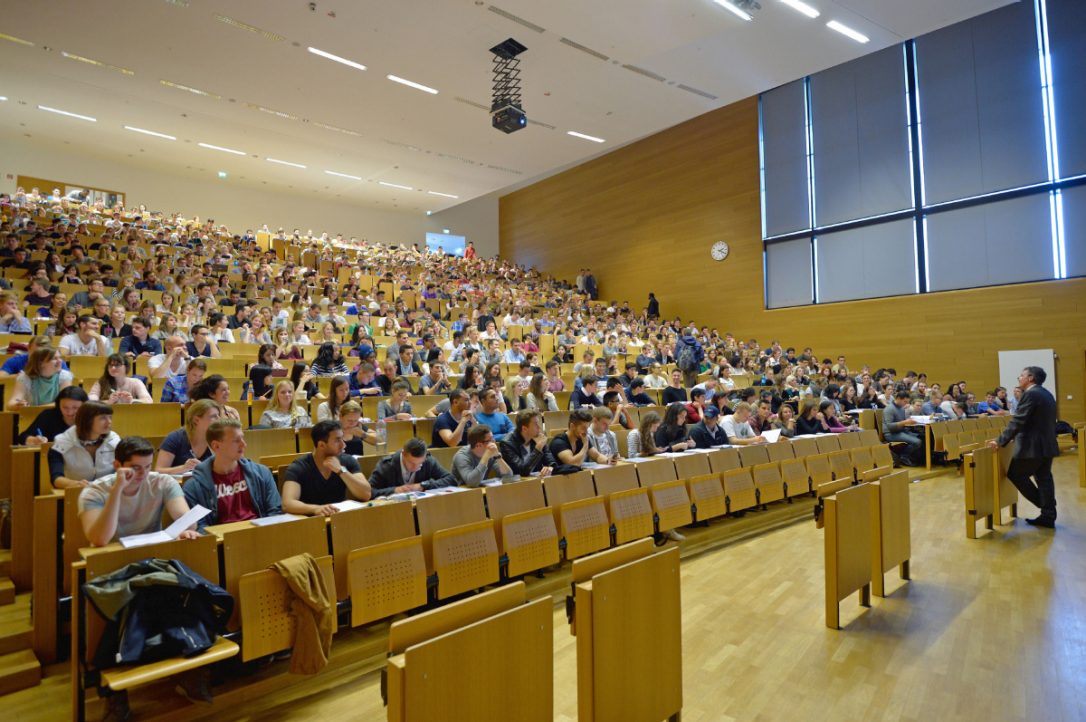
Step into any college lecture hall and you are likely to find a sea of students typing away at open, glowing laptops as the professor speaks. But you won’t see that when I’m teaching. Though I make a few exceptions, I generally ban electronics, including laptops, in my classes and research seminars. That may seem…
Classrooms around the world have been the equivalent of open offices almost since their inception. Is this the best way? Some new research shows that schools may want to think about how the classroom affects their students. Open offices are as bad as they seem—they reduce face-to-face time by 70%: Employees at two Fortune 500…
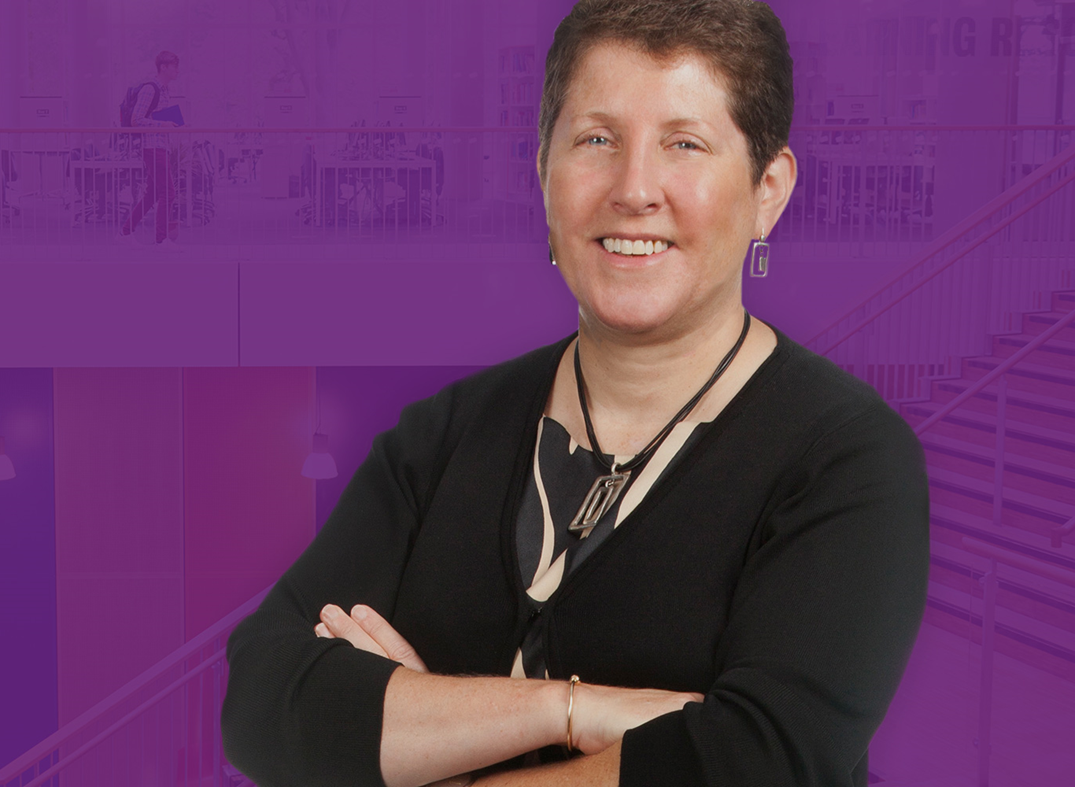
“Educational technology is now more about pedagogy first and then choosing the appropriate tool(s) for the job.” – Kathy Schrock, USA As an independent educational technologist with more than 20 years in the field, Kathy Schrockhas experienced first-hand how technology has transformed education — not only by engaging students, but by helping teachers manage their…
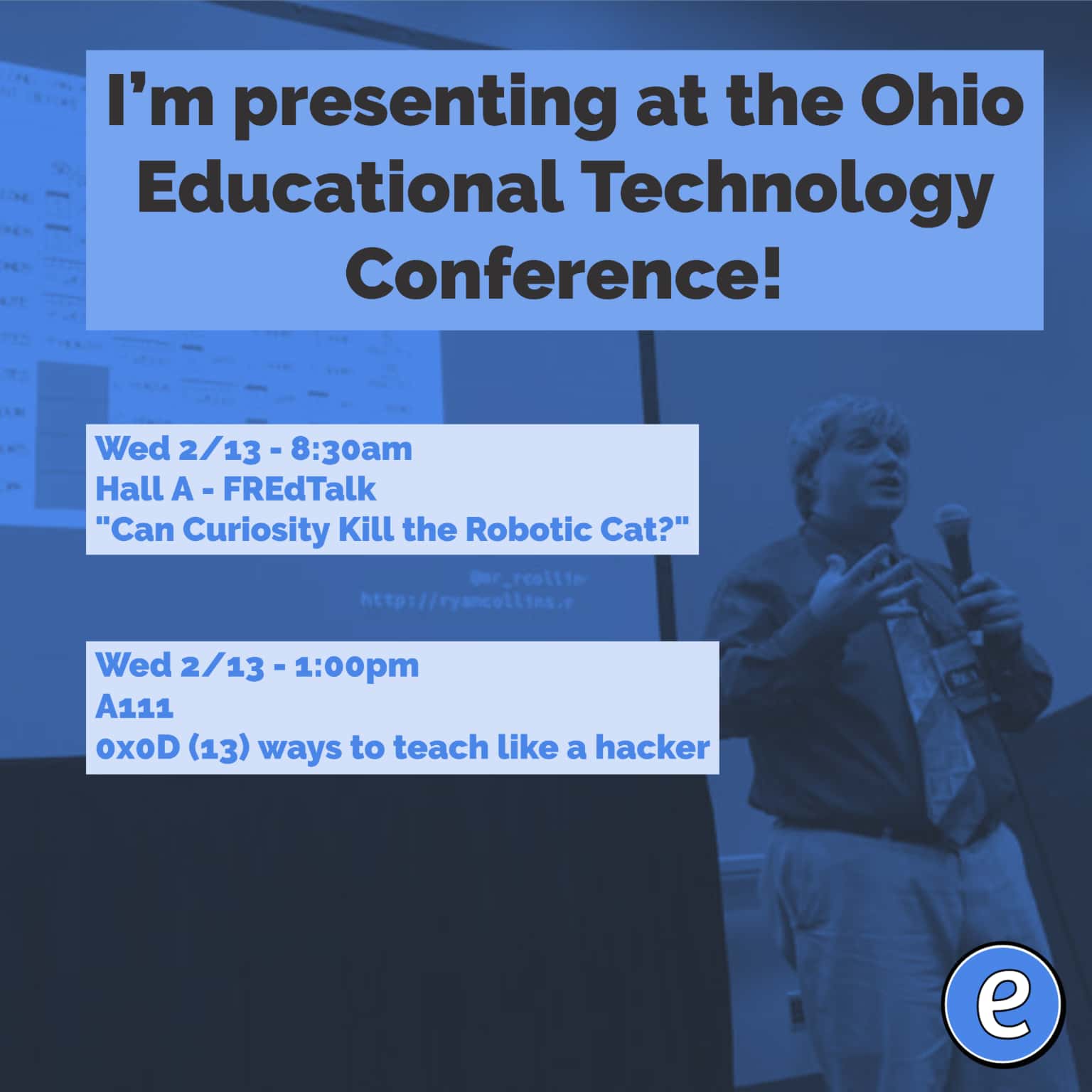
From February 12 through February 14, the Ohio Educational Technology Conference will take place at the Greater Columbus Convention Center in Columbus, Ohio. This is the 20th year that I’ve attended the conference, so it’s becoming second nature. I will be presenting twice. First up will be my 5 minute ignite style FREdTalk presentation on Wednesday, February…