Check out these awesome science animations from Maxwell Helmberger!
Amazing claymation! Check out more of the videos on his channel: Maxwell Helmberger – YouTube
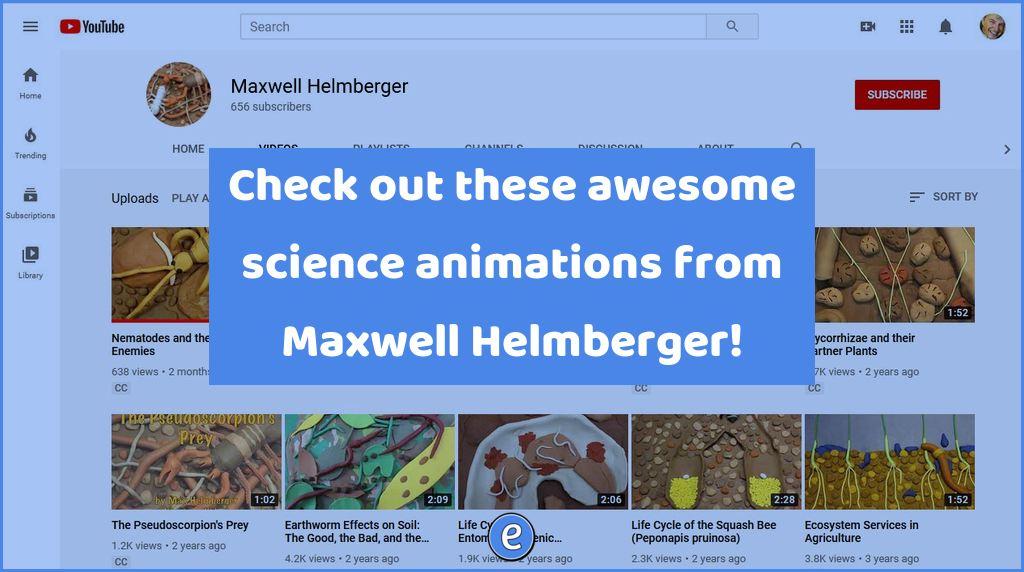
Amazing claymation! Check out more of the videos on his channel: Maxwell Helmberger – YouTube
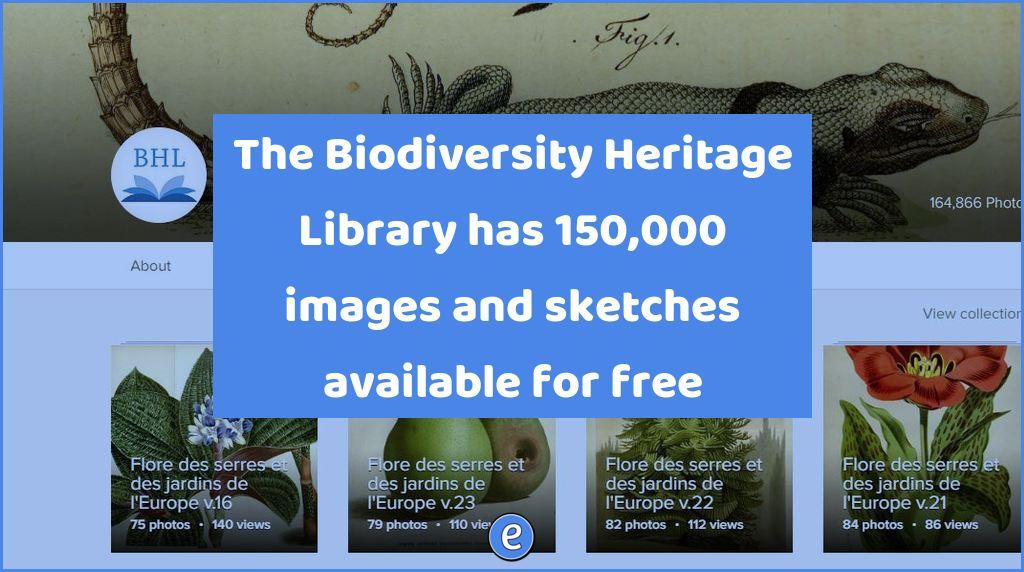
Source: About BHL – Information about the Biodiversity Heritage Library Their Flickr album is probably not the best way to find images, but their Biodiversity Heritage Library Portal has a search feature. The publications are pretty high level, so the site is more of a resource for teachers and high schoolers instead of elementary students.

Computer coding coming soon to Nova Scotia curriculum Nova Scotia hopes to incorporate computer coding into the curriculum next year so that students get more hands-on experience with the technology that makes the modern world work. The province is teaching students from Grade Primary to Grade 3 the basics of computers this year, and the hope is…
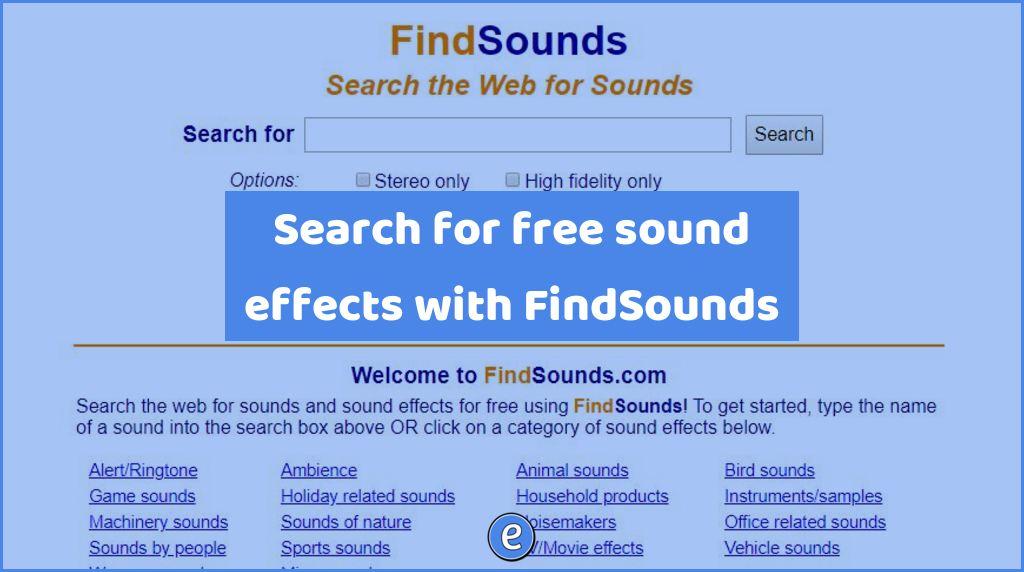
Source: FindSounds – Browse for sounds Who doesn’t need sound effects? Whether it is for that multimedia project or that Scratch game, everyone needs a sound effect at some time or another. FindSounds is a search engine for free sounds. Unfortunately, even though you can play and download the sounds for free, who own the…
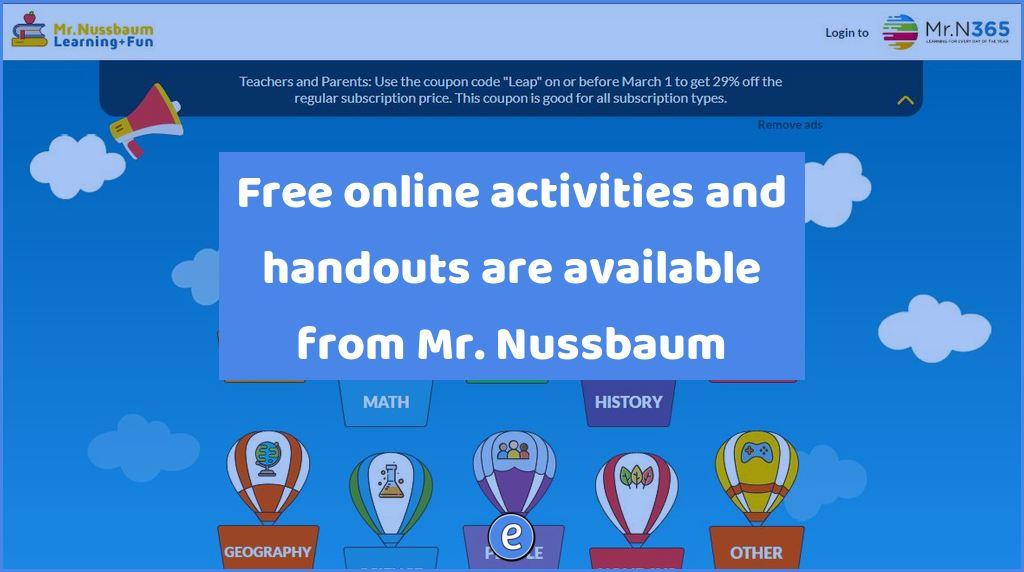
Source: Mr. Nussbaum – Educational Games, Activities, Resources for Kids Ages 5-14 and Teacher Tools. If you teach grades 1-6, then check out Mr. Nussbaum’s website. There are tons of resources available for free and also a subscription model. What makes Mr. Nussbaum’s website pretty cool is that he offers not only online activities, but…
Fountain pens were a stylish statement but messy and impractical. Their replacement was a stroke of design genius perfectly in time for the era of mass production. Source: The cheap pen that changed writing forever – BBC Future A fascinating look at one of the best educational technology tools ever invented, the ballpoint pen. Whenever…
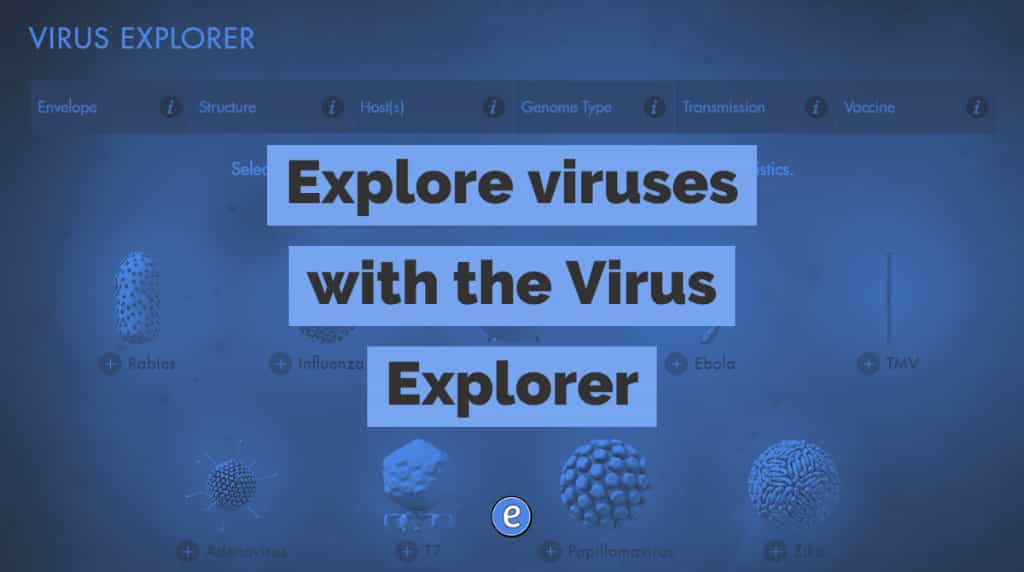
This interactive incorporates engaging 3D-models of viruses that students can click on to rotate and view from different angles. In the process they will learn about the criteria that scientists use to classify viruses, the characteristics of different viruses, and the global prevalence of viral infections. A link to an illustration of the relative sizes…