In most ways, teachers that use technology in the classroom aren’t much different than those that don’t.
Any teacher worth their salt assesses, and then revises planned instruction based on data from those assessments.They manage their classroom in a way that works for them, create a positive learning environment, and (great teachers especially) collaborate with a variety of stakeholders to make sure every humanly possible attempt is made to meet all students need.
Portfolio School is part of a growing movement of “micro-schools.” Coined by British education blogger Cushla Barry in 2010, the term refers to educational institutions that emphasize interdisciplinary project-based learning, building social skills such as communication and critical thinking, and tailoring instruction to the needs of each individual student. Source: Are Microschools the Next Big…
It’s great that we all have a device in our pocket that is as powerful as our current computers. But, it also leads to a terrible work-life balance if you are using it for work, so what are your options? Setting up a separate work phone A few years ago I realized that I didn’t…
Classroom technology is everywhere. Schools are filled with shiny, interactive devices, and new gadgets and apps flood the market every day. Teachers in districts with limited funding for technology are turning to crowdfunding sources to obtain technology for their classrooms. But is technology the panacea that we’re all searching for? Source: Five Myths About Classroom…
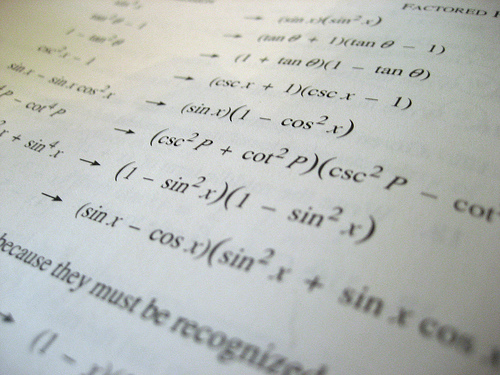
My son struggled with required math classes in both high school and college, as did I. And suspect both of us are somewhere within one standard deviation of a normal IQ. Politically-driven, nonsensical math requirements probably make me angrier than almost anything else in education right now. To think of the millions of lost classroom…
The micro:bit is a superb tool for delivering the physical elements of a Computing curriculum and it is a fantastic device on which to base a wide range of STEM projects that involve electrical circuits and electronics. Source: Micro:bit of Things I don’t think the Micro:bit gets the amount of love in the United States…
I doubt anyone would argue with the goals of making math class more joyful and playful, but those goals are more easily adapted to a poster or conference slidedeck than to the actual experience of math students and teachers. So what does a math class look like that responds whenever a student acts mathematically,…