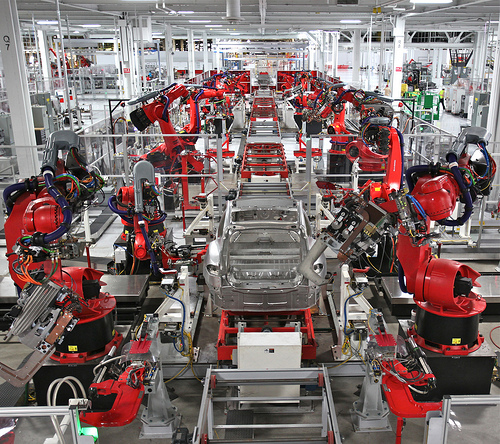
Former New York Times technology reporter John Markoff used to think robots taking jobs was cause for alarm. Then, he found out that the working-age population in China, Japan, Korea and the U.S. was declining.
This research, led by Assistant Professor Patricia Chen from NUS Psychology, shows that people with a strategic mindset are the ones who, in the face of challenges or setbacks, ask themselves: “How else can I do this? Is there a better way of doing this?”. Done in collaboration with Stanford University psychologists, this research shows that,…
I often hear people ask, “If we have the internet, why do we still need librarians?” This is something I’ve heard since the days of dial-up and continue to hear right now. It misses the vital role that librarians play in our students’ lives. It’s true that the information landscape has changed. It is easier…
Google is announcing a big rebranding and redesign for its suite of office apps today, rebranding G Suite with a new name: Google Workspace. Along with the new branding for the product that encompasses Gmail, Docs, Meet, Sheets, and Calendar are new features designed to make all those products feel like they’re more integrated with…
On a bright July morning in a windowless conference room in a Manhattan bookstore, several dozen elementary school teachers were learning how to create worksheets that would help children learn to write. Judith C. Hochman, founder of an organization called the Writing Revolution, displayed examples of student work. A first grader had produced the following…
In most ways, teachers that use technology in the classroom aren’t much different than those that don’t. Any teacher worth their salt assesses, and then revises planned instruction based on data from those assessments.They manage their classroom in a way that works for them, create a positive learning environment, and (great teachers especially) collaborate with…
In 2016, we learned more about how teachers feel about their profession, from the reasons why they started teaching in the first place (#1) to why they leave (#6). We learned that science students do better when teachers share stories about the struggles scientists face instead of portraying them as geniuses (#3). We’re also learning…