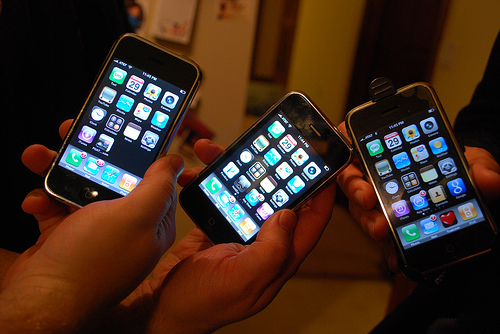
By: Laura LaRoseRecent research, collected by Android app Locket, monitored how many times its 150,000 users checked their phone in a day. They found that users did this a staggering 110 times a day,[1] whilst another study carried out by Kleiner Perkins Caufield and Byers found the average user checks their phone nearer to 150 times per day.
Taking the lower number of 110, divide it by the number of hours awake during the day (16) means that there is an average time of 8.7 minutes between phone checks. THAT IS INSANE!
Although I like tech, I also control my technology and not let it control me. Take control of your notifications. Also, learn to take a break. This is why I like reading from my black and white Kindle. No notifications and limited use outside of reading.
Certainly teaching in a school where everything is recorded and deposited into a computer is pretty creepy. But is “hyper-personalized” instruction, driven by massive amounts of data and delivered by screen, really the future of learning? Or is it just the future for kids whose districts have the money to buy into this kind of…
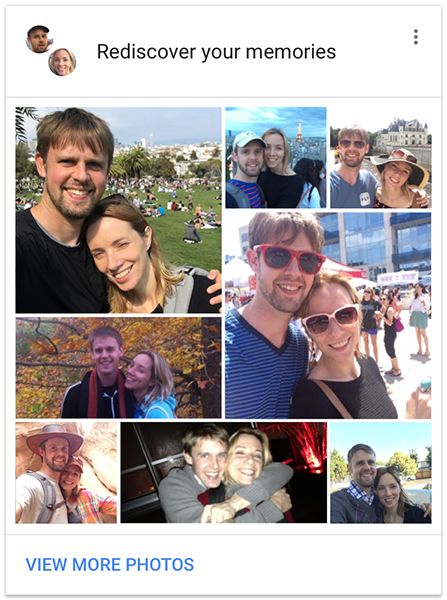
Google is pushing their machine learning to new and interesting processes, and is now applying their AI to Google Photos. New features Google can now find older photos of recently photographed people, making it easy to remember those moments with friends and family. Google photos can now put together an album of a subject of…
…if you pick Customer Engagement then the Digitized Solutions will follow to match what your customer wants. An example of starting from the other side is Apple, which followed Henry Ford’s mantra of not asking the people what they want (“people would have asked for faster horses”), but rather built the musicplayingtelephonecameraPC for a public…
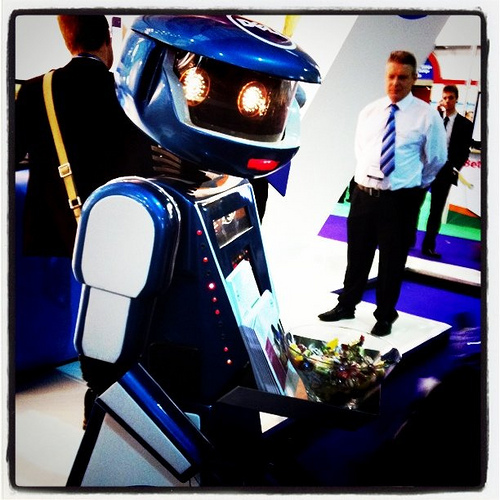
Because implementing artificial intelligence would create new positions—such as people who would train machines or ensure that the machines do not, say, hurt humans—the Accenture analysis found that employment could increase by 10 percent due to the increased need for human-machine collaboration. Humans would need new digital skills to collaborate with machines, and “human-interface designers”…
In a world dominated by technology, a good education depends on digital know-how—in addition to problem solving, clear communication and organizational skills. Students need both digital and soft skills to guide them through college, into the workplace and beyond. In my five years on the job, here’s what I’ve learned about teaching a generation of…