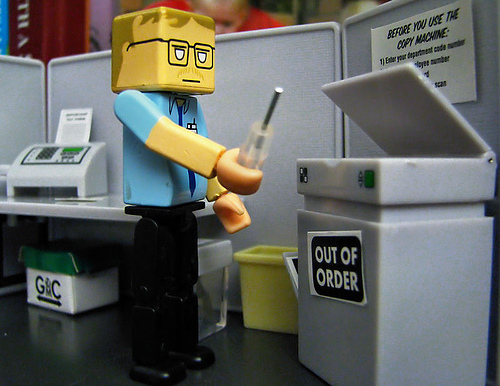
I’ve been hearing about the “paperless” office (and, by extension, paperless school) for nearly 40 years. Doug even talks about it in his recent The Next Big Thing(s) post.
To which I say, HA!
Here’s the reality: we’re using more paper. Vast quantities of more.
Students do react differently to paper assignments, at least in my district. There is a sense of responsibility that isn’t there when the assignment is purely digital. But, I believe the cause is more of a “this is how we’ve always done it”. For the most part, students are conditioned to receive assignments and supplemental materials as physical copies. It’s the only thing they’ve every known.
Google is making a play to capture the family market. Today it announced its new Family Link app, which lets parents create a Google account for their kids. This account is completely controlled by parents, so that means they can manage the apps their kids use, monitor how long they’re staring at their device, and…
When a student tweets at their school’s Twitter handle, chances are they don’t expect a response–it’s like tweeting at Starbucks, or the Office of the Comptroller of the Currency—you feel like you’re talking to an entity that’s far too busy and important to ever respond to you. That’s why students in Georgia’s Cherokee County School…
2. Bring in an Expert Often a third-party voice will give you credibility and support you could not otherwise gain inside your organization. Further, a recognized industry authority lends gravitas and weight to your claims. Source: The Top 10 Ways to Get Executive Buy-In for Your Training Program | eLearning Blog Number two really bums me…
Cricut dropped a major change into a feature update announcement last Friday: Any Cricut device owner who does not subscribe to the Cricut Access cloud platform will be limited to no more than 20 uploads/imports per month to Design Space. (Designs made using elements Cricut sells through Design Space do not count against the limit.) The change applies not…
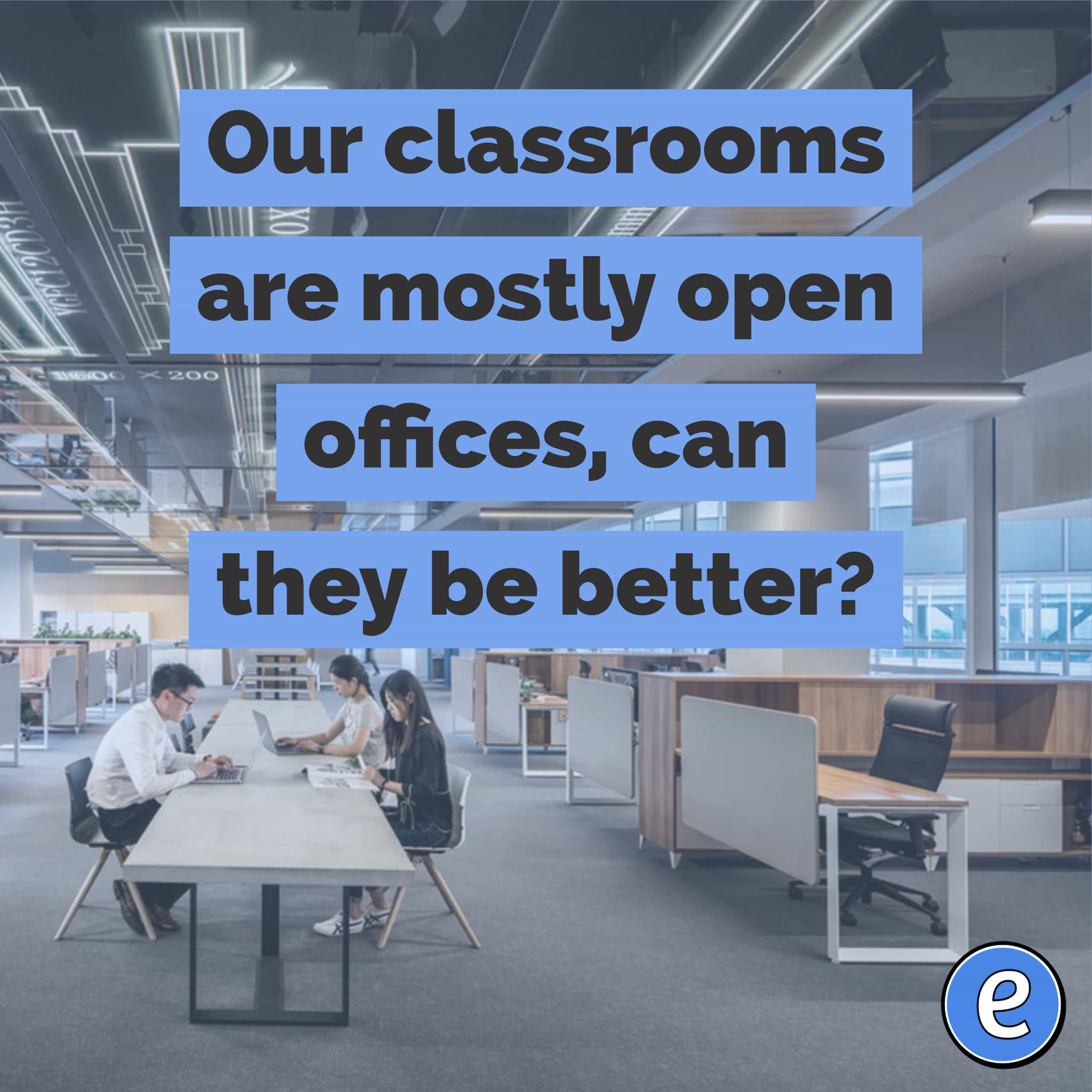
It began as a post-war dream for a more collaborative and egalitarian workplace. It has evolved into a nightmare of noise and discomfort. Can the open office be saved, or should we all just be working from home? Source: Yes, the Open Office Is Terrible — But It Doesn’t Have to Be (Ep. 358) – Freakonomics…
It’s called “chegging.” College students everywhere know what it means. “If I run out of time or I’m having problems on homework or an online quiz,” says Matt, a 19-year-old sophomore at Arizona State, “I can chegg it.” Source: This $12 Billion Company Is Getting Rich Off Students Cheating Their Way Through Covid Cheating has…