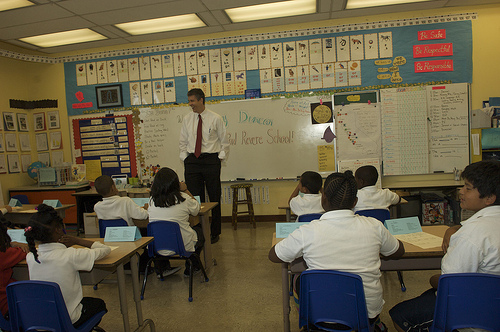
Although we often believe we act without bias or stereotyping, we’re all subject to unconscious biases: automatic, mental shortcuts we use to process information and make decisions quickly. These shortcuts are useful, but can also subtly and negatively influence our actions. And in the classroom, they can have serious consequences—educators could unintentionally discriminate against some of their students, discouraging them from pursuing certain fields of study.
Another former Facebook executive has spoken out about the harm the social network is doing to civil society around the world. Chamath Palihapitiya, who joined Facebook in 2007 and became its vice president for user growth, said he feels “tremendous guilt” about the company he helped make. “I think we have created tools that are…
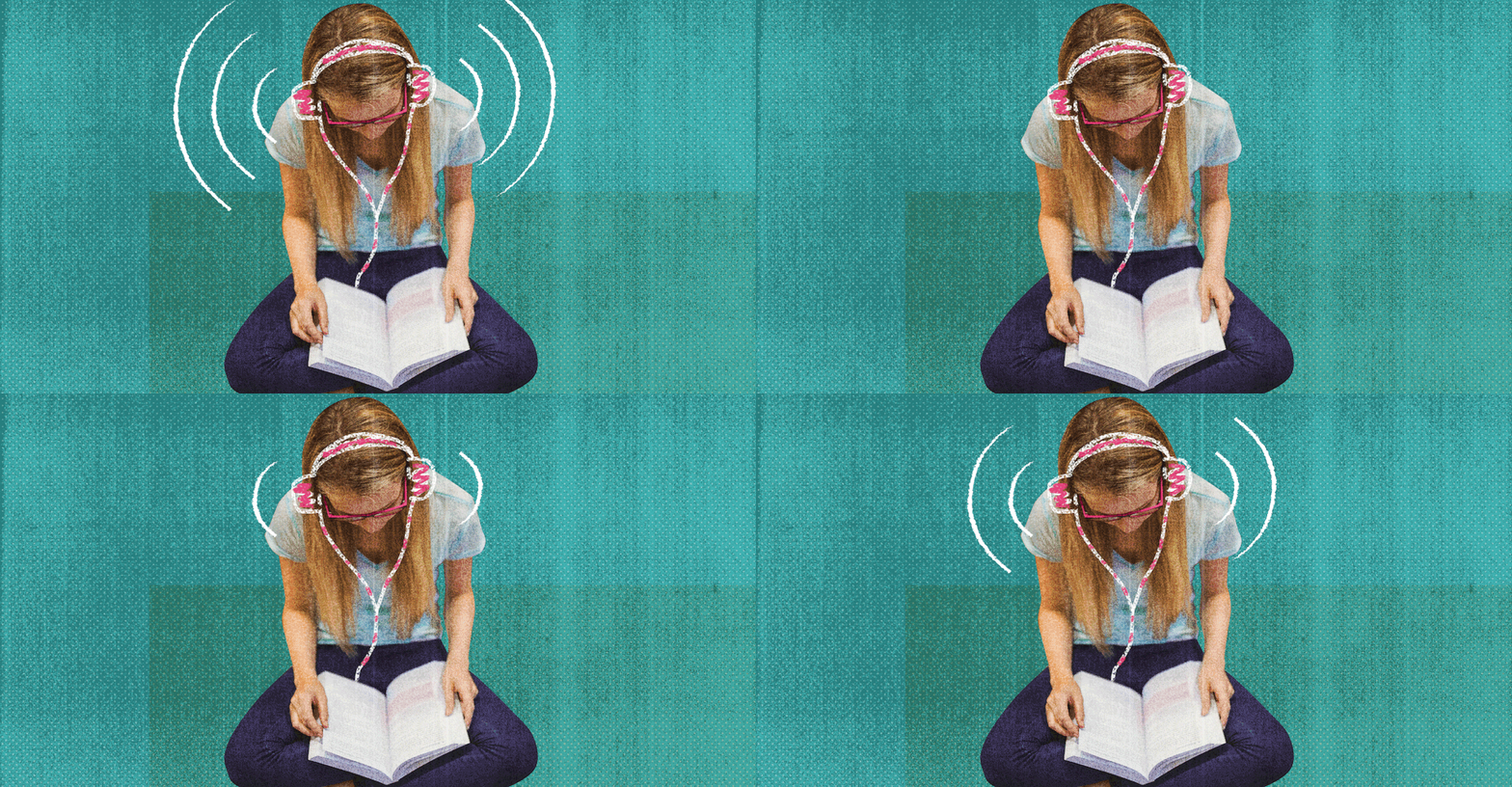
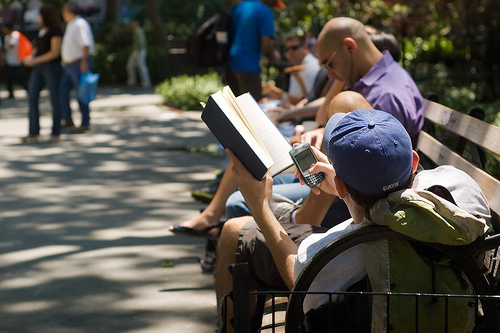
Multitasking is a big part of the modern world. People are constantly doing two things at once; they send emails when they are spending time with their loved ones, they work out while texting a friend and they cook while they check Facebook. However, all of this multi-tasking is bad for your brain. Recent studies…
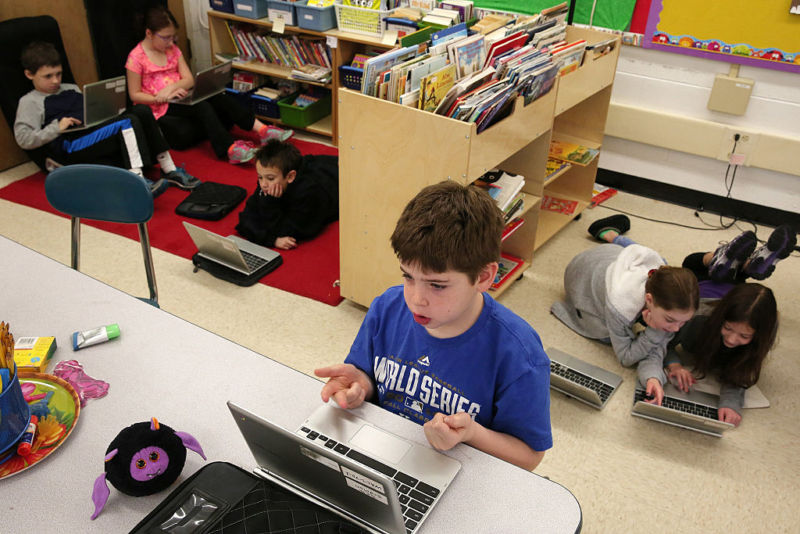
When you think about a traditional school workflow, it’s not unlike that of a business: paper is generated and moved in a systematic way between the children and the teacher. Just as cloud computing has transformed workflows in business to make them more collaborative and mobile, that same type of change has been coming to…
The author tries very hard to convince the reader that teenagers (the group she calls iGen) who “spend more time than average on screen activities are more likely to be unhappy”, more prone to depression, and at greater risk for suicide. There’s not a single exception. All screen activities are linked to less happiness, and…
The news last fall that stents inserted in patients with heart disease to keep arteries open work no better than a placebo ought to be shocking. Each year, hundreds of thousands of American patients receive stents for the relief of chest pain, and the cost of the procedure ranges from $11,000 to $41,000 in US…
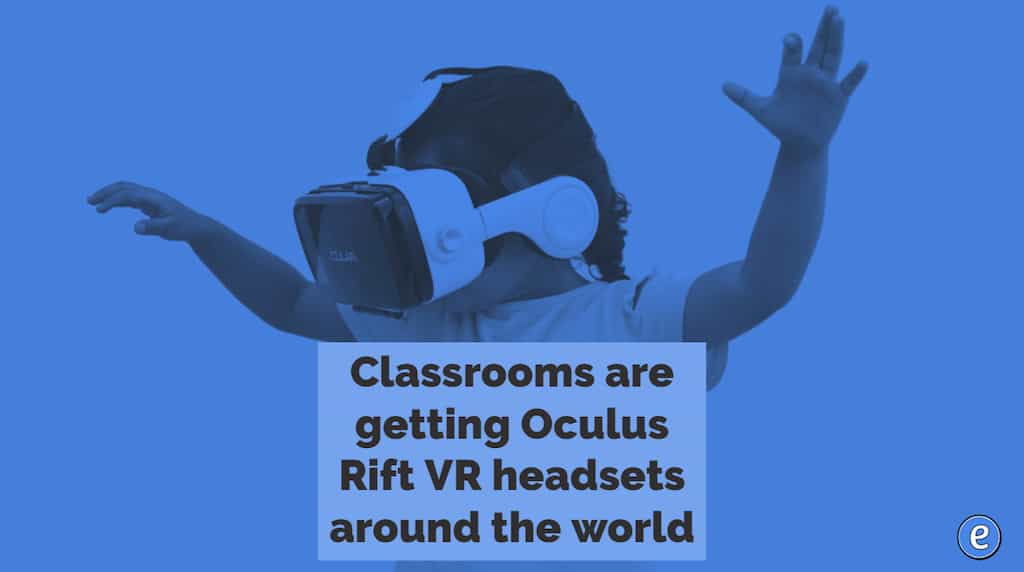
Although virtual reality may be experiencing slow adoption in the consumer market, one area where it seems to have truly untapped potential is in the classroom where virtual worlds could help students visualize and learn about history, science, and culture in an unprecedented fashion. To capitalize on VR’s increasingly instrumental role in visual education, Facebook-owned Oculus…