Multitasking is a big part of the modern world. People are constantly doing two things at once; they send emails when they are spending time with their loved ones, they work out while texting a friend and they cook while they check Facebook.
However, all of this multi-tasking is bad for your brain. Recent studies have found that multitasking increases the production of cortisol, a stress hormone, and adrenaline, which can overstimulate the brain. This can cause a “mental fog” that makes it hard for you to concentrate or focus.
I think I’ve mentioned how bad multitasking is for you before. For myself, I’m becoming a fan of the Pomodoro technique, where you have a time and focus on work for a set number of minutes. It works well for me.
This research, led by Assistant Professor Patricia Chen from NUS Psychology, shows that people with a strategic mindset are the ones who, in the face of challenges or setbacks, ask themselves: “How else can I do this? Is there a better way of doing this?”. Done in collaboration with Stanford University psychologists, this research shows that,…
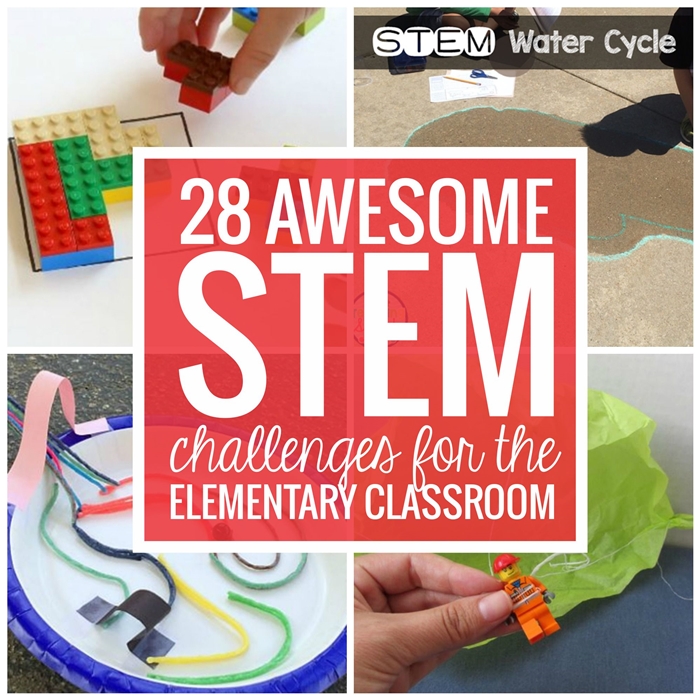
Here is an amazing list of clever, unique and simple set up STEM challenges and lesson plans from other teachers. Source: 28 Awesome STEM Challenges for the Elementary Classroom – Teach Junkie What a great list of activities and lesson plans! I really like how they minimize tech and maximize making.
My son struggled with required math classes in both high school and college, as did I. And suspect both of us are somewhere within one standard deviation of a normal IQ. Politically-driven, nonsensical math requirements probably make me angrier than almost anything else in education right now. To think of the millions of lost classroom…
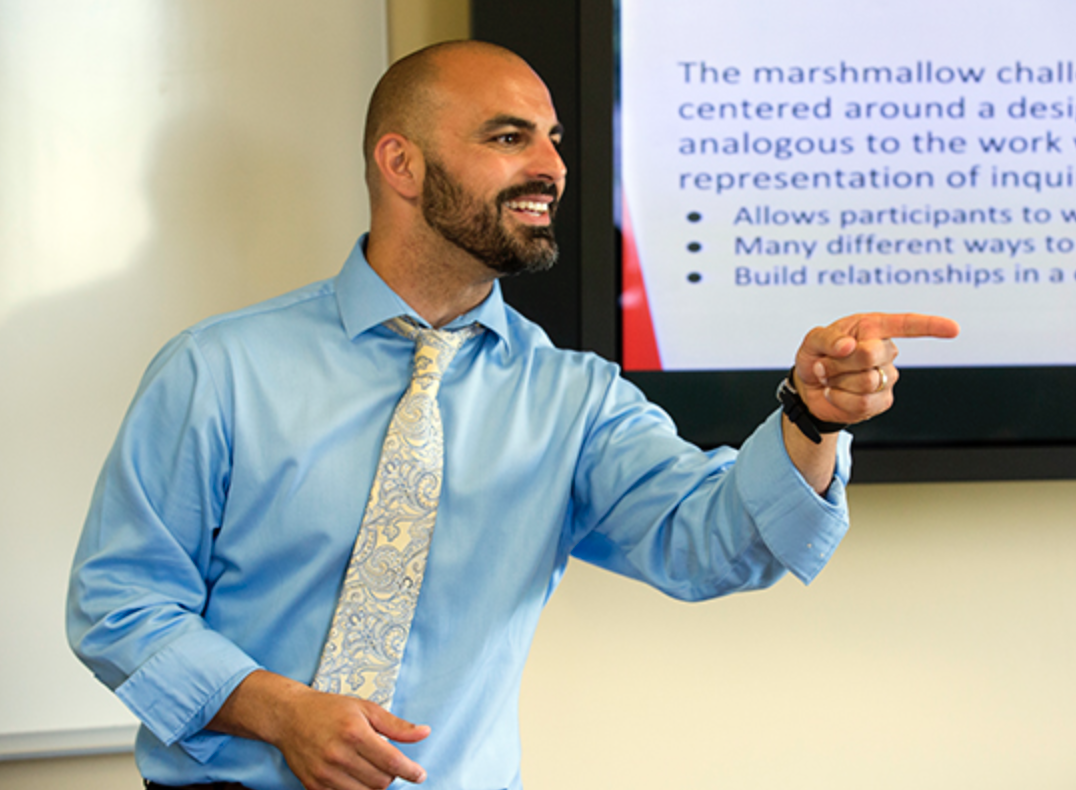
When I think of my role as a teacher, I consider my dual roles: a high-school science teacher and an instructor who prepares new teachers to teach science. These roles are very different, and each offers its own set of rewards and challenges. At the same time, I approach each with the same two mindsets:…
It’s safe to say that “the career for life” is over. People now hold an average of 15 jobs in their working lifetime. What’s more, according to Deloitte the lifespan of a skill has decreased to just five years from 30 on average. Rapid technological advancements are increasingly impacting the traditionally steady trajectory of professional…
A challenge we faced while building SpriteBox Coding, a learn to code game for kids ages 5+, was that the educational component primarily centred around puzzles. However, as we learned with our previous title LightBot, for some kids, puzzles simply aren’t exciting on their own. There were often players who needed a reason for why…