There is so much mediocrity in the world, and mediocre things can, and are, popular. Why try harder?
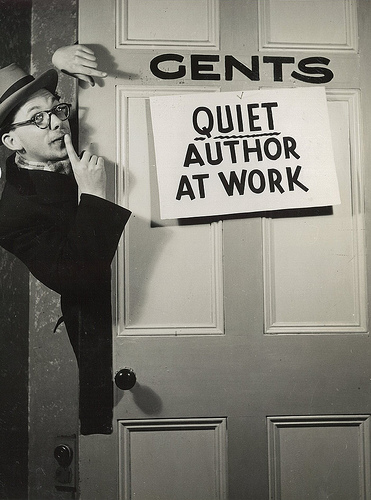
Every author secretly thinks their books are uniquely special, but the vast majority of books don’t sell. I haven’t been blogging regularly for eight months, and I still get urgent emails from authors, wondering why their sales are slumping. They ask if it’s their covers, or if the market is crashing, or if they aren’t doing the right kind of marketing.
But none of them ever ask if they self-pubbed too soon, before the book was Grade A. Writers are a pretty insecure bunch, but I’ve never met one who blames their sales on their bad writing.
I gotta say, it’s seductive to think I could self-pub these three books instantly, make some money, not worry about the anticipated three star average (I encourage writers to not look at their reviews, and I usually don’t), and immediately move on to something I know will sell better.
But I won’t do that. I’ll put in the time and make these books better. Money is nice. Having more time is nice. However, the nicest thing of all is having pride in my work.
Google is celebrating 10 years of Chromebooks this month. This year marks the 10th year of the life of Chromebooks, and what a journey it’s been. Although the Google CR-48 was released before 2011, it wasn’t until 2011 Acer and Samsung shipped the first models. Most people were not sold on the idea of a…
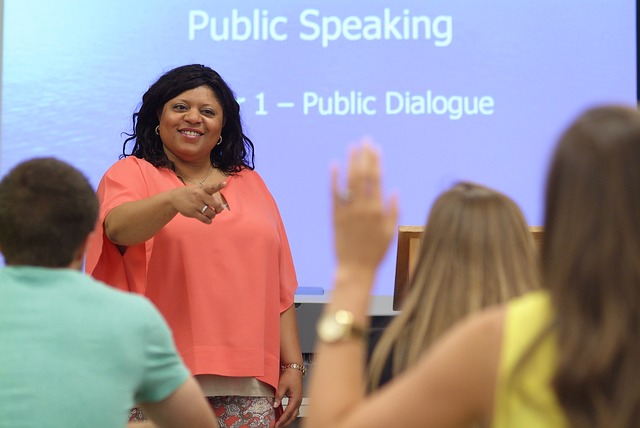
Toe-curling public addresses, frosty receptions and baying crowds have been filling our screens on what feels like a daily basis – and we can only expect more of the same. It might not be on the world stage, but every day people at work face tough crowds and awkward addresses of their own – be…
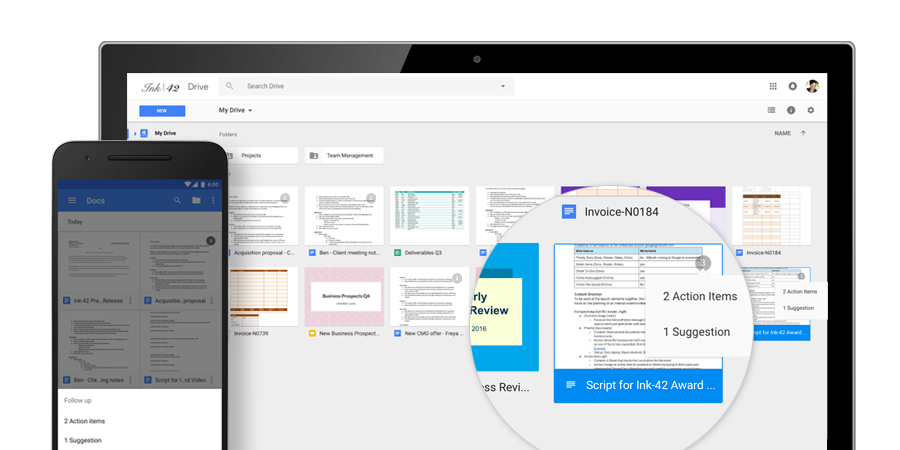
Today, we’re introducing five new time-saving features designed to speed up and simplify the way you work, so you can focus on bringing your team’s ideas to life. Source: Five new ways to reach your goals faster with G Suite Action items are going to be huge with ELA teachers. Not only will you be…
Academic publisher Springer Nature has unveiled what it claims is the first research book generated using machine learning. The book, titled Lithium-Ion Batteries: A Machine-Generated Summary of Current Research, isn’t exactly a snappy read. Instead, as the name suggests, it’s a summary of peer-reviewed papers published on the topic in question. It includes quotations, hyperlinks to the…
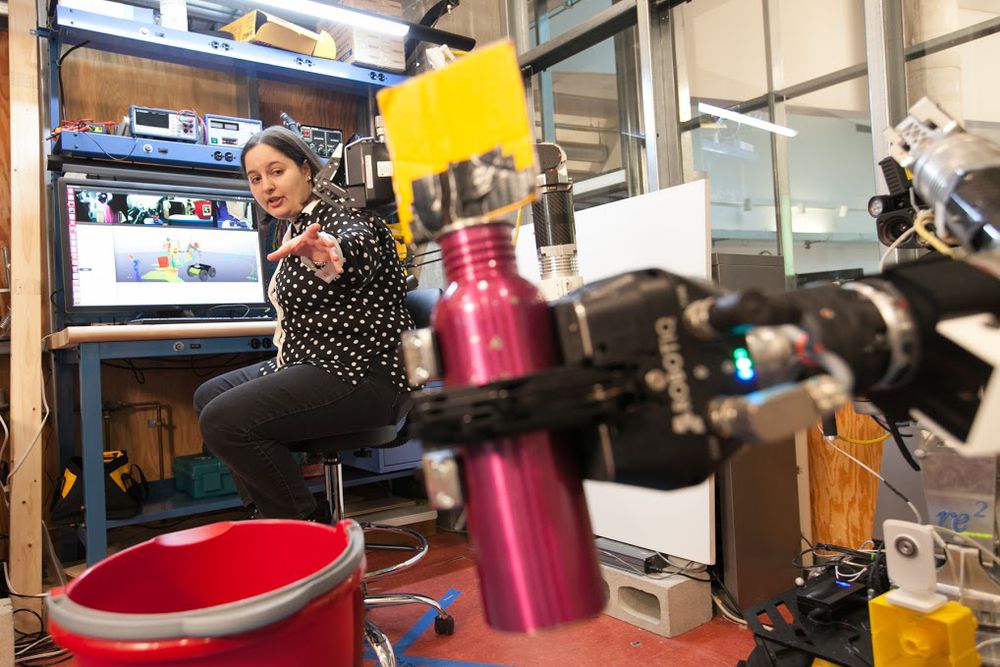
Scientists have developed a new system that allows people with no coding experience to teach robots simple tasks, such as grabbing an object and dropping it into a bucket. The system aims to mimic how humans learn, and even allows robots to teach what they’ve learned to other robots. That could allow machines to one…
I received a tweet asking me for suggestions on keyboarding programs for students. I didn’t respond. I couldn’t respond. I am not a fan, and when schools are saying that they are either a) in a time crunch or, b) having limited use of technology, I struggle that we use this precious amount of time…