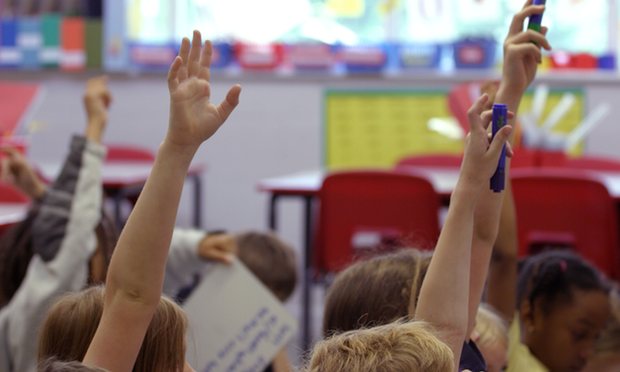
The think-tank examined the relation between social media use (including online time) and mental illness:
While twelve percent of children who spend no time on social networking websites on a normal school day have symptoms of mental ill health, that figure rises to 27 percent for those who are on the sites for three or more hours a day.
There’s no clear indication as to whether the extra time online was a catalyst for mental health issues, or if it was the other way around. The majority of children, whether extreme users or not, reported anxiety whenever there wasn’t an internet connection.
I often hear people ask, “If we have the internet, why do we still need librarians?” This is something I’ve heard since the days of dial-up and continue to hear right now. It misses the vital role that librarians play in our students’ lives. It’s true that the information landscape has changed. It is easier…
Remember One Laptop Per Child? They distributed a few million cheap, brightly-colored XO laptops running a weird version of Linux called “Sugar OS,” and then… what happened? Well, I’m not sure actually. But OLPC Australia is carrying the torch, sort of. This offshoot now calls itself “One Education,” and has just announced the Infinity:One. Gone…
Common Core and vouchers down, but many other reforms still popular. Source: Ten-year Trends in Public Opinion from the EdNext Poll: Common Core and Vouchers Down, but Many Other Reforms Still Popular Fascinating data into common core, tenure, teacher salaries, etc. I especially like the differences in responses to questions such as spending and salaries…
The cliché is a fifty-year-old asking some ten year old student for help in making the computer work. Having trouble making working with your device or your software? Just grab one of those digital natives to handle it for you! Well, not so fast. Here’s Jenny Abamu at Edsurge saying what I’ve been arguing for over…
Teaching children according to their individual “learning style” does not achieve better results and should be ditched by schools in favour of evidence-based practice, according to leading scientists. Thirty eminent academics from the worlds of neuroscience, education and psychology have signed a letter to the Guardian voicing their concern about the popularity of the learning style approach among…
Still, teachers can staunch boredom. Mehta and Fine (read sidebar) discovered that even in underperforming schools where boredom was near universal, “there were individual teachers who were creating classrooms where students were really engaged and motivated.” These teachers trusted students to sometime control the class. They tried to learn from their students as much as they…