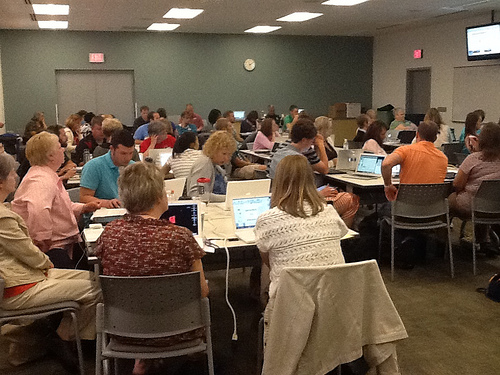
I was recently at a conference about the social and emotional needs of children today. While much of what I heard reinforced what we were already seeing as a campus, it was fascinating – the idea many children today are unaware of how to communicate effectively, show and understand empathy, understand their feelings regarding shame, or even the ability to read the emotions of others.
Over the day the needs/challenges of children today continued to grow….social/emotional needs, emotional disturbances, medical needs, hunger, clothing, communication needs, lack of parental support, counseling needs, and on and on the list grew…
I’ve been a psychology professor since 2012. In the past six years, I’ve witnessed students of all ages procrastinate on papers, skip presentation days, miss assignments, and let due dates fly by. I’ve seen promising prospective grad students fail to get applications in on time; I’ve watched PhD candidates take months or years revising a…
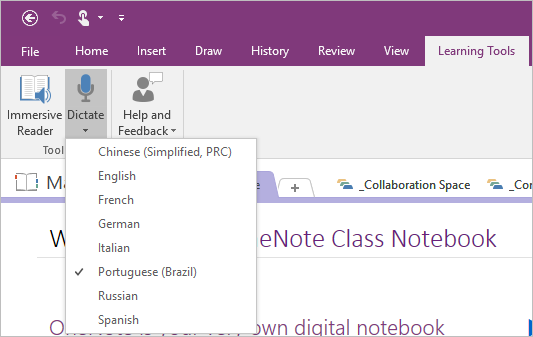
The OneNote team continues to listen to teachers to learn about how we can help them be more productive with our software. Today, we are announcing a set of improvements across OneNote Class Notebook, Learning Tools and Office Lens. Source: Updates for OneNote Class Notebook, Learning Tools and Office Lens—plus stickers! – Office Blogs The…
Lately I’ve been noticing that more and more authors seem to be adapting their adult nonfiction books for younger readers (typically for the middle grade set, ages 8-12). The young readers editions are shorter and often contain more illustrations, photos, graphs, and charts than their adult counterparts, distilling the story and information down into what…
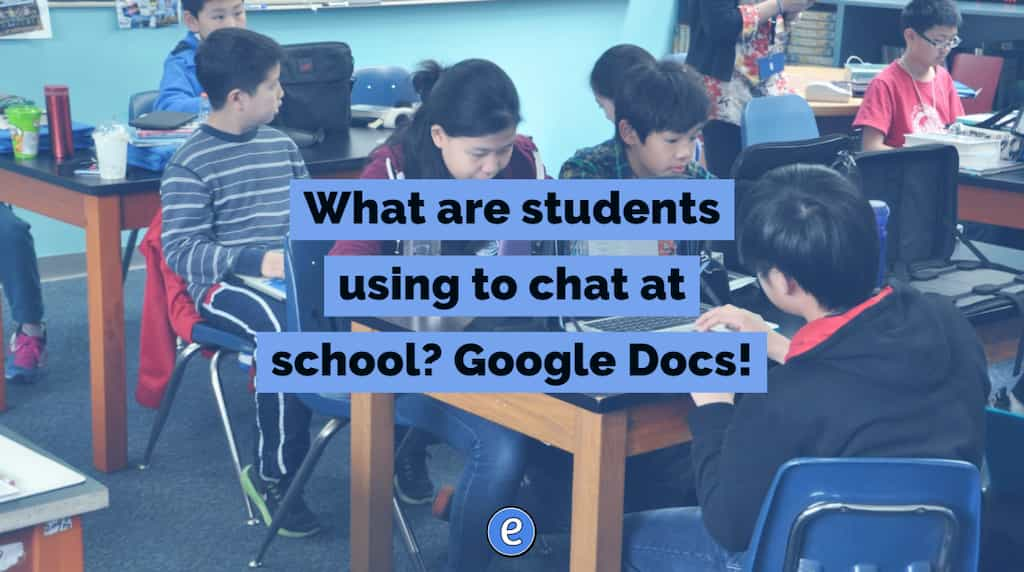
When the kids in Skyler’s school want to tell a friend something in class, they don’t scrawl a note down on a tiny piece of paper and toss it across the room. They use Google Docs. “We don’t really pass physical notes anymore,” said Skyler, 15, who, like all the other students in this story,…
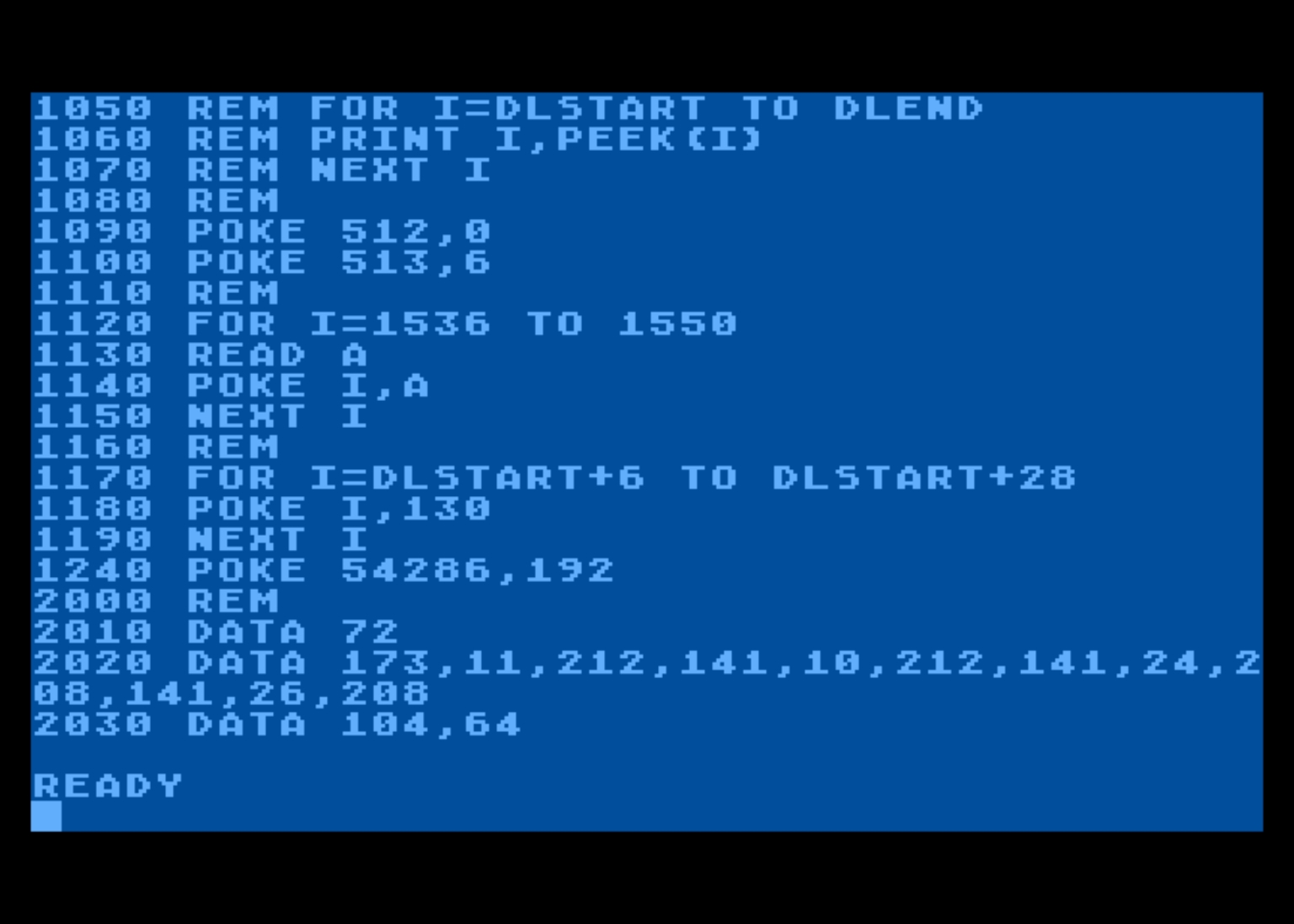
I received a Christmas gift in fourth grade that profoundly impacted my career path and thus the rest of my life. That gift was a VTech PowerPad Plus “pre-computer.” While just a toy, the PowerPad line of products from the late 1980s and early 1990s were functioning computers that featured, among a handful of educational…
When I think of my role as a teacher, I consider my dual roles: a high-school science teacher and an instructor who prepares new teachers to teach science. These roles are very different, and each offers its own set of rewards and challenges. At the same time, I approach each with the same two mindsets:…