Over the past decade as many school budgets have remained stagnant, spending in educational technology has climbed to record levels, with no signs of slowing. As schools around the country consider investing in technology as a way to improve student outcomes, particularly for those students deemed “at-risk,” it’s imperative that district leaders understand the methods research has shown actually work.
Here are seven ways principals can use technology in their buildings to enhance learning. I firmly believe number 1, lead with a vision for learning, not technology, is the most important.
American companies have a problem. Over the past decade, they have begun to demand a bachelor’s degree in hiring workers for jobs that traditionally haven’t required one. This uptick in credentialing, or “degree inflation,” rested on the belief that these college-educated employees would be smarter, more productive, and more engaged than workers without a degree….
You can’t use everything you find on the web on your website. Most of the laws and rules that cover fair use and education were written well before the invention of the web. They don’t appl… Source: The Educator’s Guide to Copyright, Fair Use, and Creative Commons – The Edublogger If you have any questions…
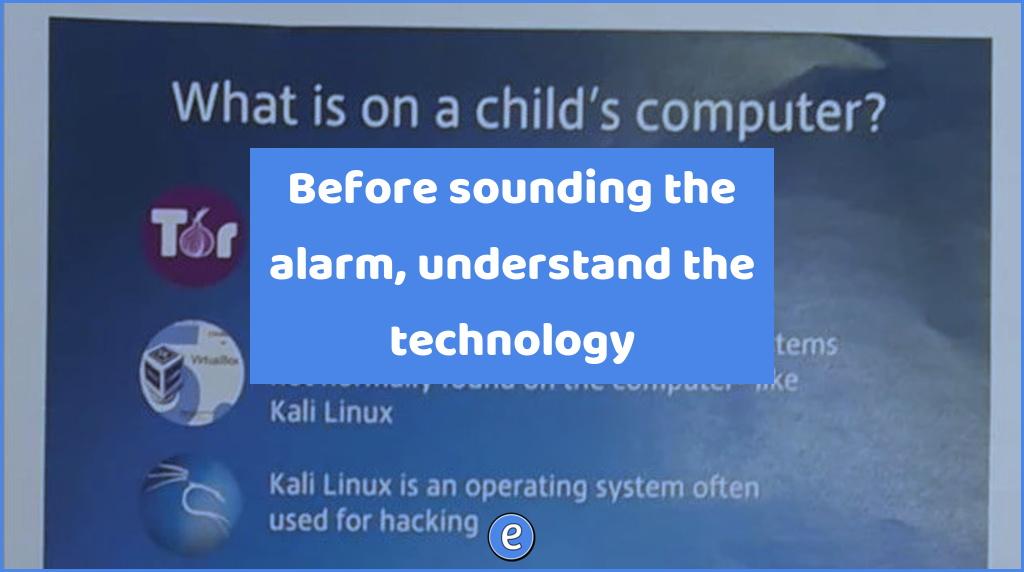
The UK’s National Crime Agency has publicly distanced itself from a poster urging parents to call police if their child has installed Kali Linux, Tor or – brace yourself – Discord. Issued by the West Midlands Regional Organised Crime Unit (WMROCU) via local area councils, the poster in question lists a slack handful of common…
For Google Classroom Google account is required for guardian summaries. Guardians will need to associate their email with a Google account Source: Google Classroom: Guardians Who Need a Google Account – Teacher Tech I had totally forgotten that someone can have a Google account with their current email address and not use Gmail.
Summary: A new study reveals exposure to dim light might impact memory and learning. Researchers report rodents exposed to dim lighting lost 30 percent of hippocampal capacity and performed poorly on spatial tasks they had previously experienced. Source: Dim Light May Make Us Dumber – Neuroscience News The rats were kept in a bright, 1000 lux…