
Similar Posts
Use flipped learning for your professional development days
During a professional development session a while back I thought I killed someone. He didn’t respond when his name was called. He didn’t respond I tapped his shoulder. Finally, he responded when I shook him a bit harder. Lucky for me (and him) he was just asleep. But it was a wake up call to…
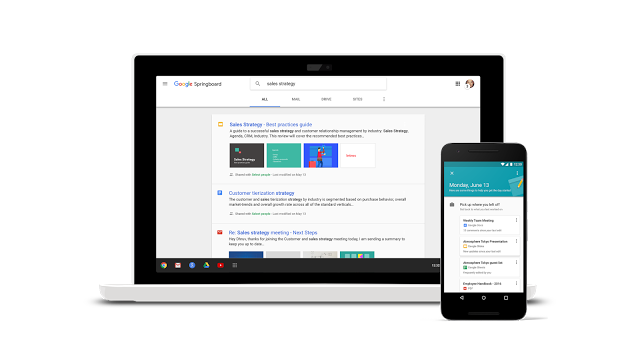
Google Apps update alerts: Powering a more connected and collaborative enterprise
We’ve been previewing Google Springboard and the new Google Sites with a small set of customers, and we’re excited to begin to extend each of these new apps to more customers through an Early Adopter Program. Source: Google Apps update alerts: Powering a more connected and collaborative enterprise Google Springboard sounds like Google Now, except…
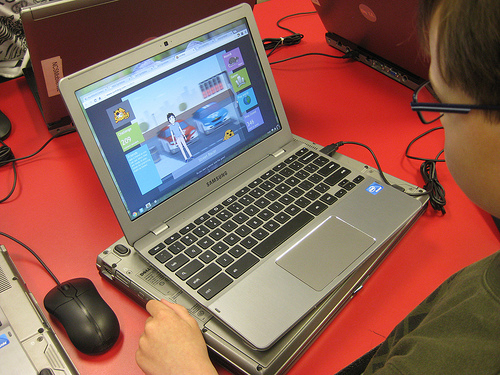
From now on, all new Chromebooks released will run Android apps
Less than a year ago, Google announced that the Play Store and Android apps would be supported on Chromebooks. Now the company has made this feature a guarantee on all new devices. According to the list of Android-compatible Chromebooks, all new Chromebooks that come out in 2017 and later will support Android apps. Source: All Chromebooks debuting in…

The advantages that gamers have over non-gamers
Neuropsychologists of the Ruhr-Universität Bochum let video gamers compete against non-gamers in a learning competition. During the test, the video gamers performed significantly better and showed an increased brain activity in the brain areas that are relevant for learning. Prof Dr Boris Suchan, Sabrina Schenk and Robert Lech report their findings in the journal Behavioural…

Learn to stop checking your phone!
How long do you think the average work email goes unread? 10 minutes? 5 minutes? 1 minute? Try 6 seconds. Source: This Is How To Stop Checking Your Phone: 5 Secrets From Research – Barking Up The Wrong Tree I don’t understand how anyone get’s work done if they are immediately checking their email! When I can,…
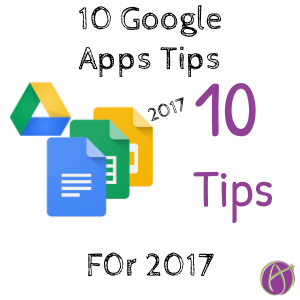
10 Google Apps Tricks to Learn for 2017 – Teacher Tech
10 Google Apps Tricks to learn for 2017. Increase your digital literacy with these Google Apps tricks: Docs, Sheets, Slides, Drive Source: 10 Google Apps Tricks to Learn for 2017 – Teacher Tech One skill I’d add to this list is to learn how to bookmark individual files and folders in your browser toolbar for…