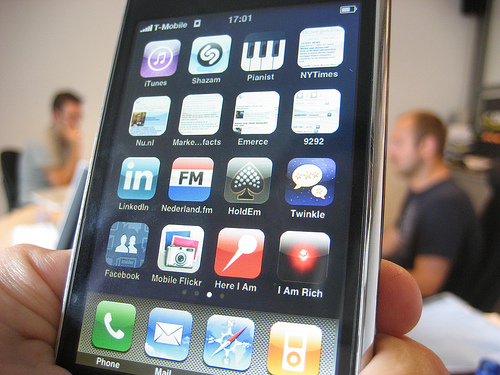
Here is a handy inforgaphic we designed specifically for teachers and students. The visual is based on a post we published here a few days ago featuring a total of 15 practical iPad tips to help you make the best of this device in education.
In a recent interview on Bloomberg TV, Cuban warned that even people with in-demand skills like computer coding could soon be displaced. “That might have been a great job a few years ago, but you might be out of work in five years,” he said, citing what he called “the automation of automation,” where computers…
Failure is all the rage in education circles these days—but not in the ways you might assume. Today’s failure conversation is less about academic grades or the achievement gap and more about how children react to personal letdowns, lapses, and losses. While this emphasis on the emotional aspect of learning is well intentioned, it misses the…
Could be… That you don’t know what needs to be done. That you don’t know how to do what needs to be done. That you’re afraid to do what needs to be done. Source: Seth’s Blog: The work not yet done Never stop learning.
Rather than filling garages with flashy cars, the data show, today’s rich devote their budgets to less visible but more valuable ends. Chief among them is education for their children: the top 10% now allocate almost four times as much of their spending to school and university as they did in 1996, whereas for other…
The younger generation uses technology in the same ways as older people — and is no better at multitasking. Source: The digital native is a myth I love the quote, “yeti with a smartphone”.
Cricut dropped a major change into a feature update announcement last Friday: Any Cricut device owner who does not subscribe to the Cricut Access cloud platform will be limited to no more than 20 uploads/imports per month to Design Space. (Designs made using elements Cricut sells through Design Space do not count against the limit.) The change applies not…